Quite often, we are asked about the different roles and responsibilities of municipal elected officials. In 2025, New York City municipal elections will decide who our next Mayor, Public Advocate, Comptroller, Borough Presidents, District Attorneys, and City Council members are. Sure, New York City has all of these positions, but what roles do these people actually fulfill?
NYC’s Ombudsman: The Public Advocate
The Public Advocate is a city-wide elected official who acts as the ombudsman, or person who investigates and attempts to resolve complaints through mediation or recommendations for the City of New York. The Public Advocate serves as the link between the general public and city government, and also works as a watchdog to investigate and provide oversight for city agencies, and monitor the effectiveness of city services. Their main responsibilities are to write reports and conduct investigations that the Attorney General’s office can then use to bring suits or otherwise take action against fraudulent activities. They also have two lesser-known roles: introducing legislation for the Council and Mayor to approve, as well as being a voting member of the Board of Trustees of the NYC Employee Retirement System, which determines pension investments for all NYC employees.
The Public Advocate effectively serves as a “vice president” of sorts to the mayor, and assumes the role of mayor if a sitting mayor were removed from office or were to die in office. They are term-limited to two consecutive full terms unless one full term has lapsed since they held office.
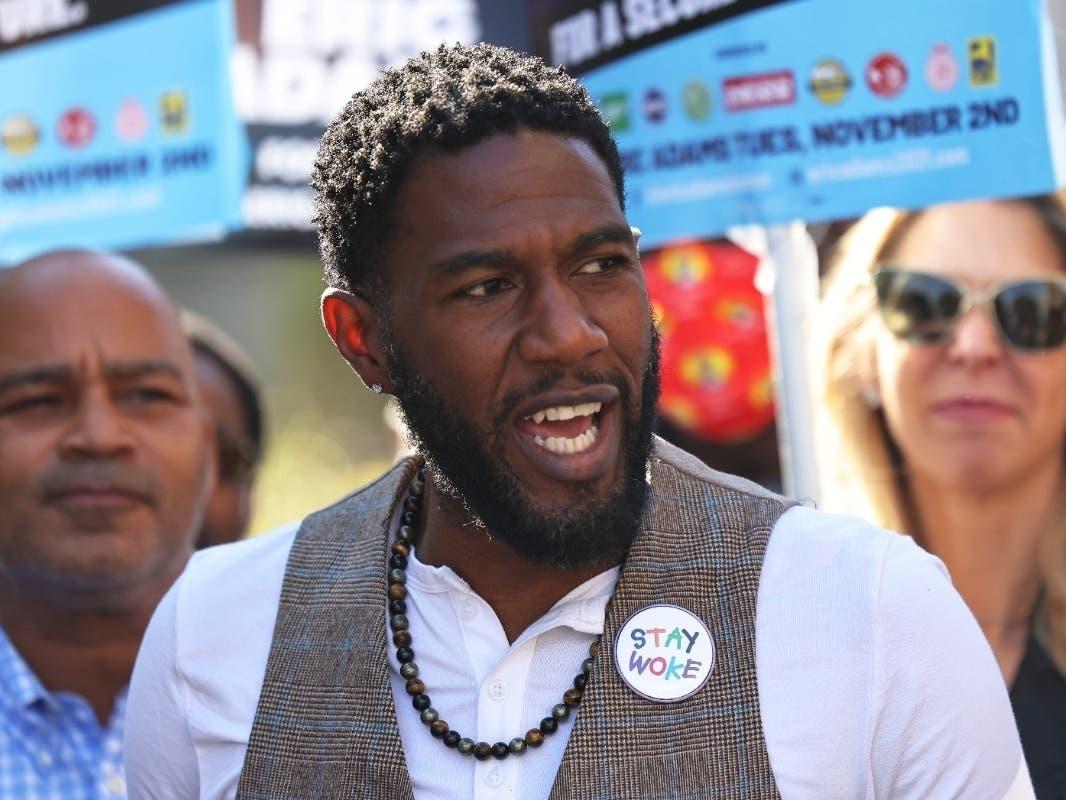
Current Public Advocate: Jumaane Williams (WFP); running for re-election in 2025
2025 Public Advocate candidates: Williams (WFP) Assemblymember Jenifer Rajkumar (D) Marty Dolan (D) and Angela Aquino (D).
The City’s Fiduciary: Comptroller
The Comptroller (yes, with a “p”) is a city-wide elected official who serves as the City’s chief financial officer, overseeing its financial health and ensuring accountability. The Comptroller is responsible for managing NYC’s five pension funds, conducting audits of city agencies, reviewing city contracts, resolving claims against the city, and enforcing labor or prevailing wage laws. The Comptroller also plays a role in issuing bonds for city projects and is the chief reviewer of the city budget. They are term-limited to two consecutive full terms unless one full term has lapsed since they held office.
Current Comptroller: Brad Lander (D); running for mayor in 2025.
2025 NYC Comptroller Primary candidates: Manhattan Borough President Mark Levine (D); Brooklyn City Councilmember Justin Brannan (D); Brooklyn State Senator Kevin Parker (D); and Ismael Malave (D).
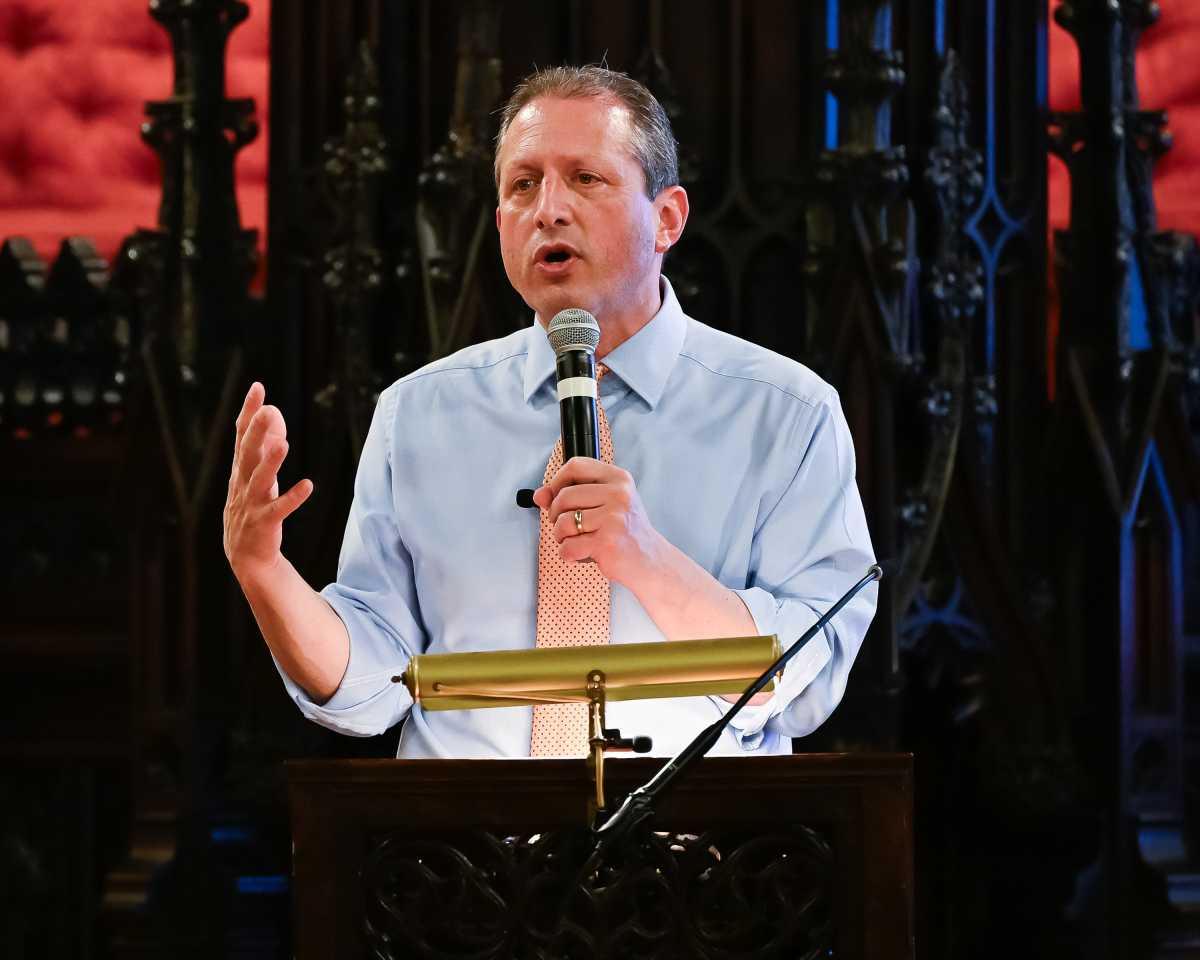
Hometown Pride: The Role of a Borough President
There are five New York City Borough Presidents, one for each Borough. Primarily responsible for advocating for and representing their Borough within city government, the Borough President also plays an important role in working with the mayor on the entire city budget and land use decisions, and managing the budget allocation to their borough. Borough Presidents also appoint members of community boards, education councils, and other city commissions. Borough Presidents do not vote on legislation. They are term-limited to two consecutive full terms unless one full term has lapsed since they held office.
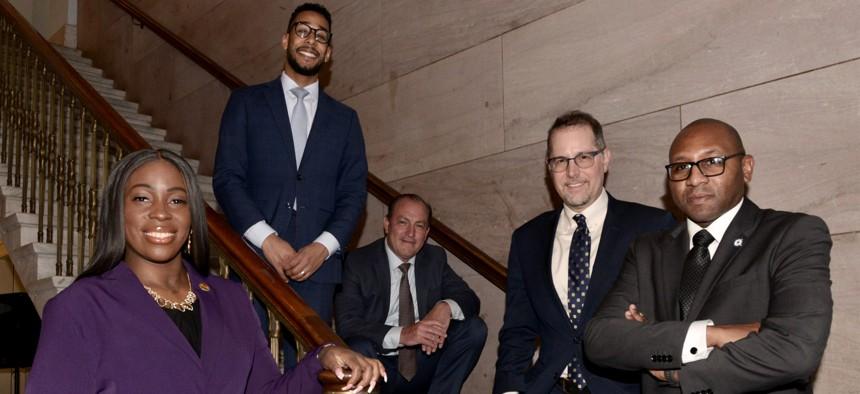
Current Borough Presidents:Manhattan – Mark Levine (D), running for Comptroller in 2025); Brooklyn – Antonio Reynoso (D), running for re-election in 2025); Queens – Donovan Richards (D), running for re-election in 2025); Bronx – Vanessa Gibson (D), running for re-election in 2025; and Staten Island’s Vito Fossella (R), running for re-election in 2025.
2025 Borough President Primary Candidates:
Manhattan, open seat – State Senator Brad Hoylman-Sigal (D) and City Councilmember Keith Powers( D); Brooklyn –incumbent Antonio Reynoso (D) and Khari Edwards (D); Bronx – incumbent Vanessa Gibson (D) and City Councilmember Rafael Salamanca (D).
Law and Order: The District Attorney
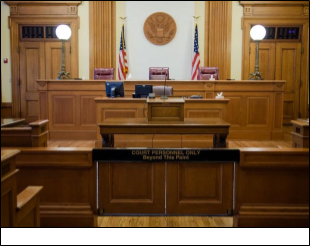
There are five District Attorneys in New York City. The DA is the top prosecutor in their respective borough and prosecutes criminal cases within their jurisdiction. DAs have broad discretion in deciding how to prosecute cases, including their own practices for plea bargains and setting bail. The DA is also allowed to confiscate property. A DA plays a significant role in shaping public policy through their decisions and stances on criminal justice issues. Distinctly, DAs are on a staggered four-year calendar cycle without term limits, and are not subject to New York City Campaign Finance Law for their campaigns, but follow New York State Campaign Finance Law instead. Unlike all other races, the DA race is not ranked choice, and voters only choose one candidate to support.
Current District Attorneys:Manhattan – Alvin Bragg (D), incumbent, running for re-election in 2025; Brooklyn – Eric Gonzalez, (D), incumbent, running for re-election in 2025; Queens – Melinda Katz (D), incumbent, not up for re-election until 2027); Bronx – Darcel Clark (D), incumbent, not up for re-election until 2027; and Staten Island – Michael McMahon (D), incumbent, not up for re-election until 2027.
2025 District Attorney Primary candidates:
Manhattan – incumbent Alvin Bragg (D), Patrick Timmins, D, Maud Maron, R; Brooklyn – incumbent Eric Gonzalez (D), running unopposed.
City Council: Discretionary Spending and So Much More
It’s not always easy to distinguish between the roles a member of the New York City Council plays in the government and what their responsibilities are to their constituents.
The NYC Council has 51 members, each representing approximately 170,000 people. A Councilmember is term-limited to serving two consecutive four-year terms (plus one two-year term following a census). A member may run for council again after a four-year hiatus following their last term. The head of the City Council is the Speaker, who is elected internally by councilmembers. The Council is the legislative branch of the City’s government and mirrors the role of Congress in DC, with five main functions:
- Passing NYC’s $112 billion budget, negotiating what items will be funded in each fiscal year starting on July 1st.
- Proposing, writing, advocating for, and passing bills that become part of the municipal code of NYC.
- Setting land use determinations within NYC’s jurisdiction, including passing zoning changes, spot rezonings, and making use of city-owned land.
- Monitoring of all NYC agencies and acting as a liaison between organizations and constituents to ensure effectiveness and responsiveness to local needs.
- Offering constituent services to everyone within their district, fielding calls, complaints, and matching people with services so they can get the most out of their local government.
Members of the City Council are also granted special privilege to spend up to $1 million annually in a citizen-led participatory budgeting process that each office works with its community to spend. Projects considered include funding for local social service agencies and nonprofits, supporting outdoor projects like parks, playgrounds, and bike lanes, and funding for community-based programs.
There are over 100 City Council Primary Candidates in 2025 running in the five boroughs. All 51 seats are on the ballot this year, but with term limits. Of those seats, 10 are open, meaning the incumbent member is not eligible to run.